Materials that age well
12
June 2025
Article
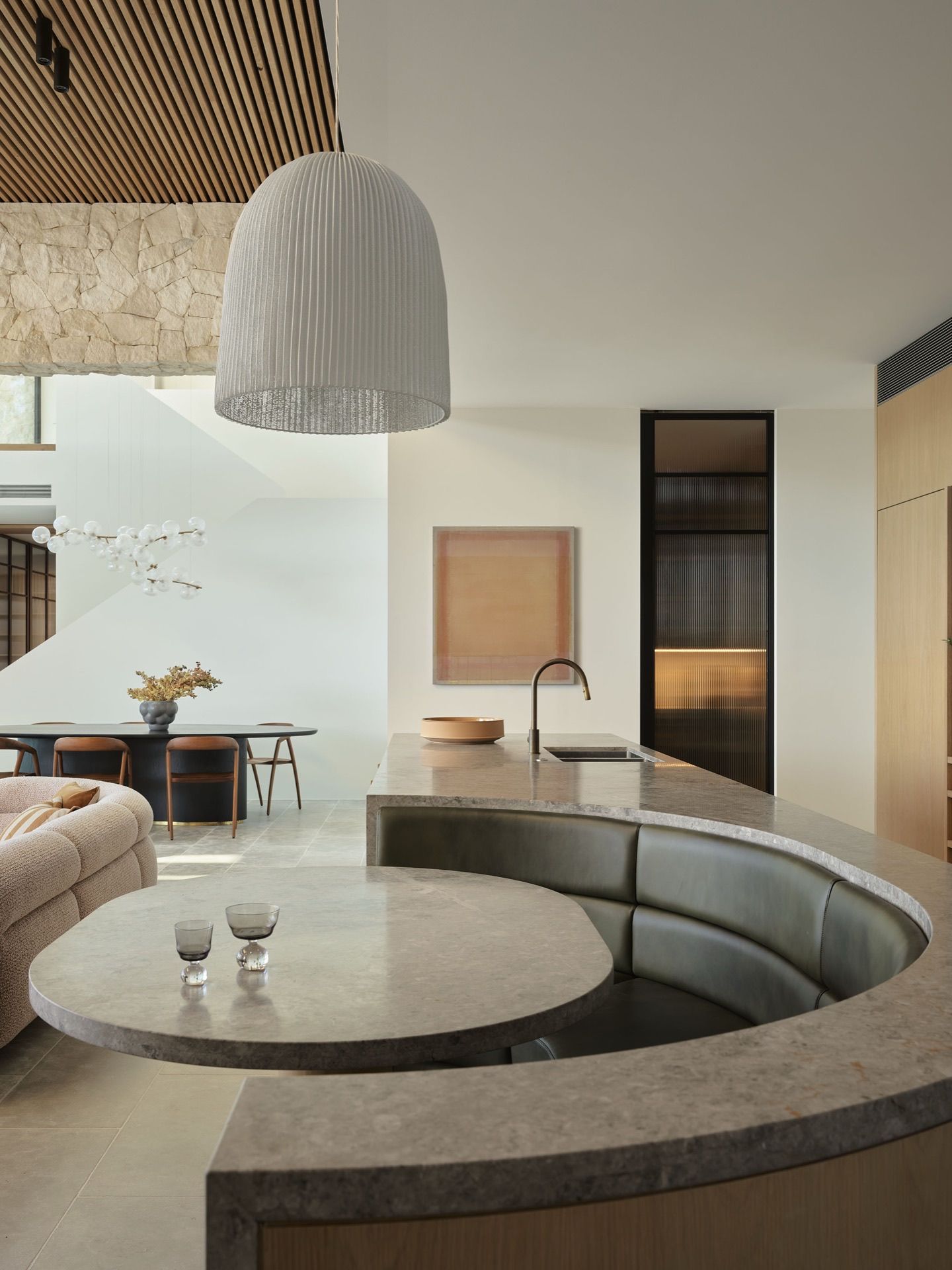
Some materials look their best on the day the builder leaves. We are more interested in the ones that look their best in twenty years. Timber, stone and concrete, chosen well and used sparingly, do not stay new. They settle, and a home settles with them.
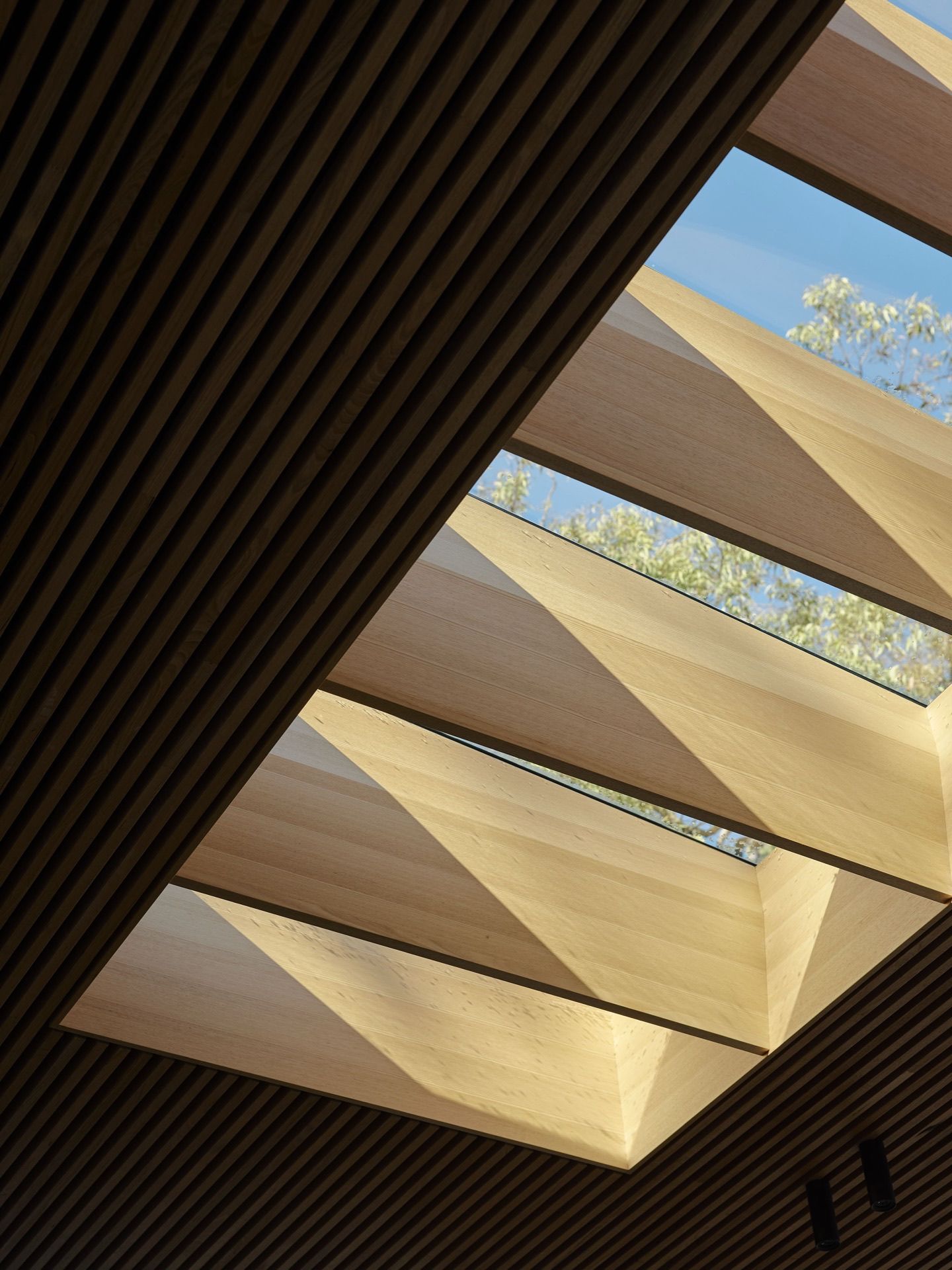
Left uncoated, durable Australian hardwoods weather to a soft silver grey. Australia carries some of the highest ultraviolet light in the world, and that light slowly changes the surface colour of the timber. This is a surface change, not decay: species like spotted gum and blackbutt keep their structure while the face goes grey, and both are among the timbers valued for bushfire resistance on so many South Coast sites. Even silvering is a detailing achievement, not a given. We chamfer board ends so water runs off, hold cladding clear of the ground, and choose profiles that shed rather than trap water, so the timber greys evenly instead of looking tired.
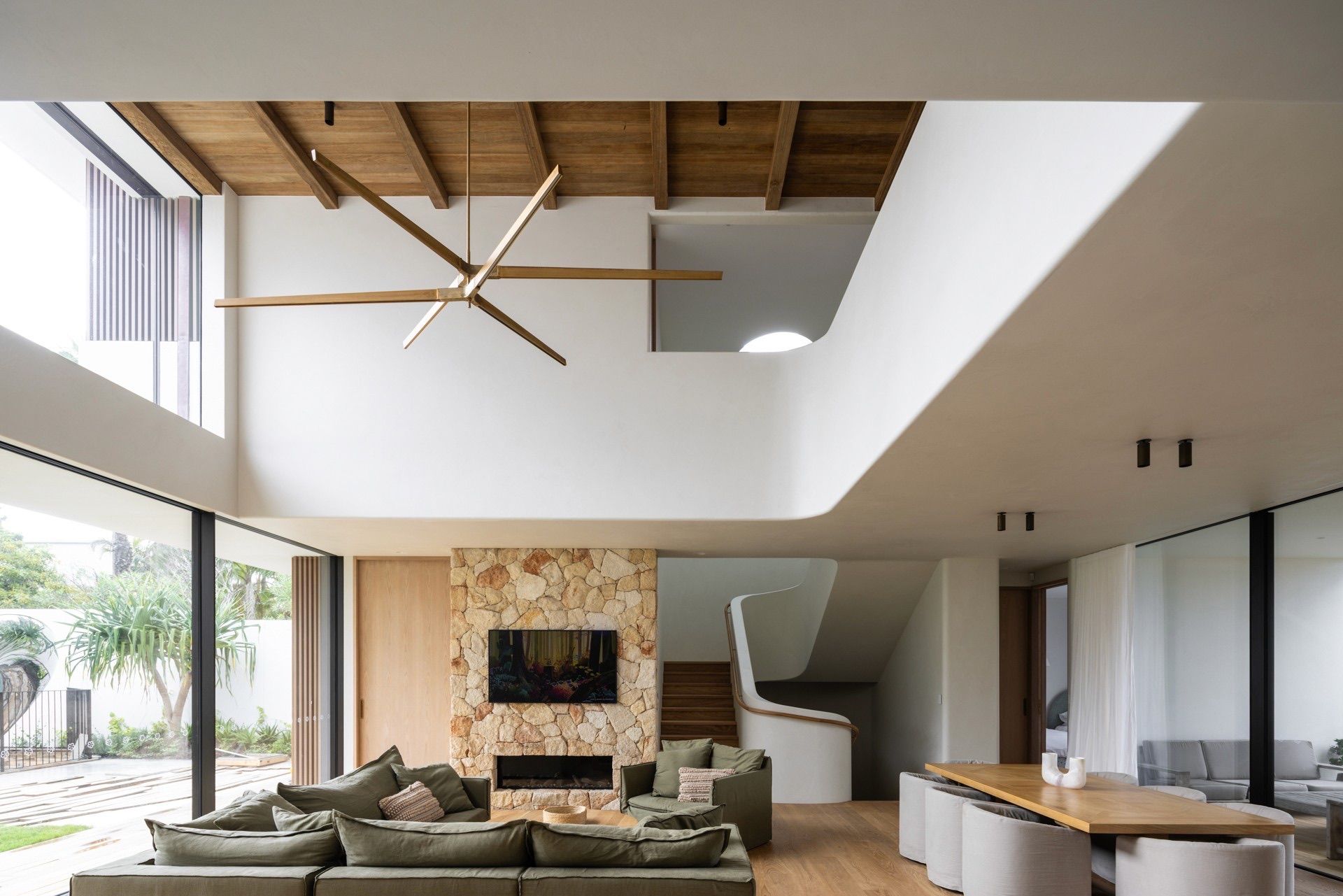
Concrete earns its place through mass, not as a finish for its own sake. A slab in direct contact with the earth, sited to catch low winter sun through north glazing, soaks up heat through the day and releases it slowly overnight. For that to work the sun has to actually reach the floor, so we keep those areas clear of rugs and insulate the slab edge. Near the coast the quiet enemy is salt: airborne chlorides reach the steel inside the concrete and, given years, cause it to rust and spall. The defence is not more concrete but good concrete, with proper cover over the steel, a dense low-permeability mix and careful curing.
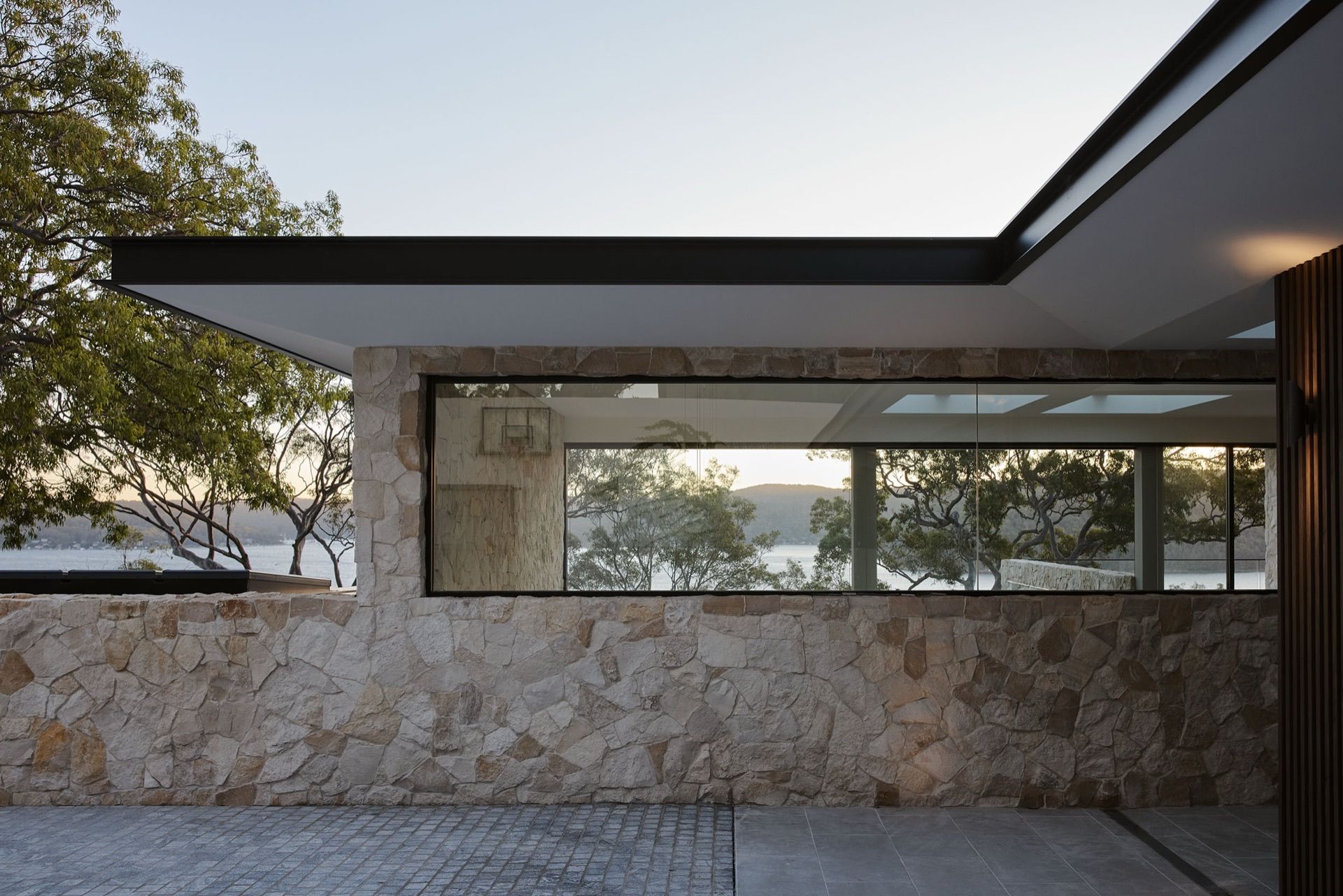
Stone is the slowest to change and rewards patience. Sydney sandstone develops its patina over decades, which is why it endures in the city's older buildings, and it carries the same thermal mass as the slab: a stone wall placed to catch winter sun stores heat and gives it back into the evening. Used with weight and honesty, stone belongs to a coastal or bush setting rather than standing apart from it. Used as a thin decorative skin, it contradicts the very idea of a material that ages well.
Restraint is the thread through all three. A small palette of real materials, each doing a job, each allowed to change, is what keeps a home from dating. Timber where it can breathe and shed water, concrete where its mass does thermal work, stone where its permanence belongs. The house grows older without growing tired.
If you are planning a new home or a renovation on the coast and want it to age gracefully, we would like to hear about your site and the materials that might suit it. Start a conversation with Place.