The brief behind the home
17
October 2024
Article
The most useful early work is not drawing, it is listening. Before a single line goes on paper, we want to understand how your household actually moves through a day: who cooks and when, where people gather, where they go to be quiet, and where the bags and shoes land when you walk in the door.
A good brief separates what you ask for from what you need. A request for a formal dining room is often a wish for somewhere the whole family eats together, and a media room can really mean a quiet corner away from the open plan. When we hear the routine underneath the request, a smaller, better planned home can do more than a larger literal one.
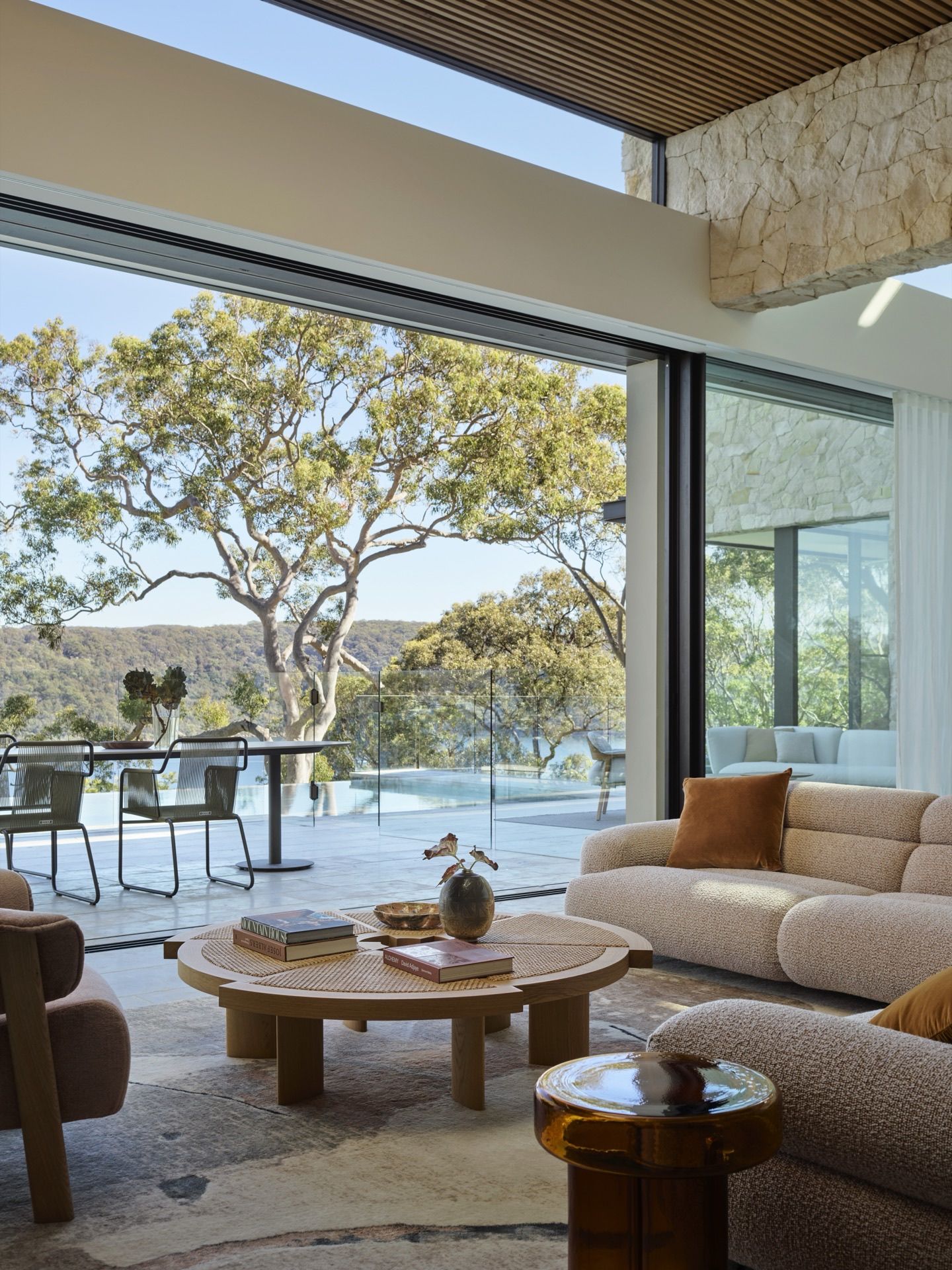
Light and orientation belong in this conversation, not in a later technical layer. Soft morning light from the east suits a kitchen where the day begins, while the main living spaces turned to the north hold winter warmth, with eaves sized to cut the high summer sun. At roughly 34 degrees south, across Sydney and the South Coast, that solar logic and the daily rhythm are set at the same time.
Budget is part of listening too, honestly and early. Many of the most valuable decisions are close to invisible and cheap to build in now: noggins in a wall for a future grab rail, a run of plumbing capped off, a floor plan drawn so a ground room can later become a main bedroom. A home is briefed for a life that changes, so we ask what it needs to still do in fifteen or twenty years.
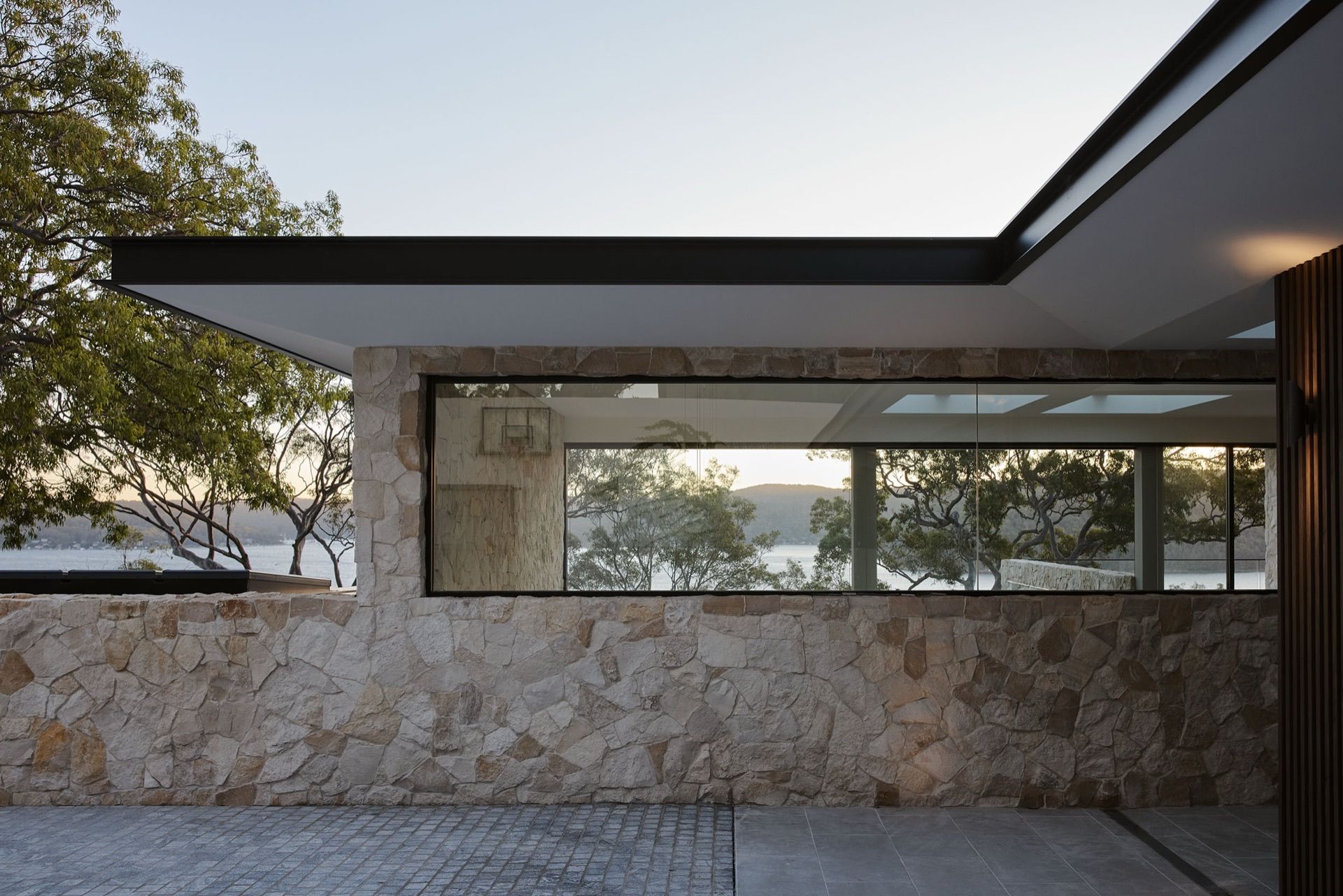
The site is a second client, read alongside the people. Its slope, aspect and outlook, the summer sea breeze, the trees worth keeping and the bushfire and salt conditions of the coast all shape what the home can honestly be, and the two briefs are reconciled together. The brief itself stays a living document, revisited as the site, the budget and your own thinking sharpen.
If you are weighing up a new home or a renovation on the coast, we would like to hear how you live and see your site before anything is drawn. Start a conversation with Place.